
Stress Cortisol Gut Microbiome: Why Stress Upsets Digestion
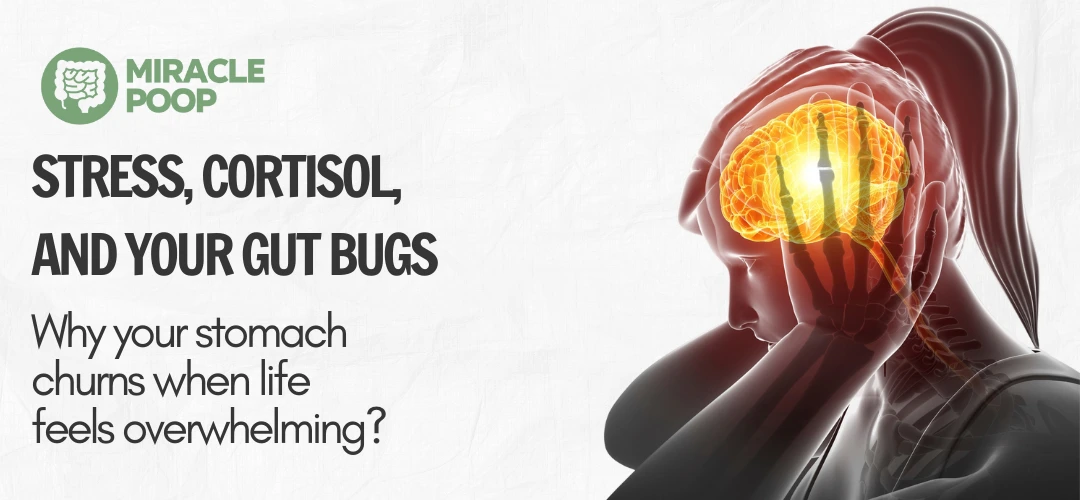
The stress cortisol gut microbiome connection explains why stress often upsets digestion. Stress does not just live in the mind; it leaves its mark on the body, and one of the most sensitive systems it touches is the gut. The relationship between stress, cortisol (the body’s primary stress hormone), and the trillions of microbes in your digestive tract explains why you might feel bloated before a big meeting or why your stomach churns when life feels overwhelming.
What Is the Stress Cortisol Gut Microbiome Connection?
When your body senses stress, it activates the HPA axis, a chain of signals that ends with the release of cortisol. In short bursts, cortisol helps you: it boosts energy, sharpens focus, and prepares you to deal with a challenge. But when stress becomes chronic, cortisol remains elevated, and that is when the gut begins to suffer.
High cortisol can weaken the intestinal lining, making it easier for unwanted particles to leak into the bloodstream. This “leaky gut” effect triggers inflammation and makes the immune system more reactive. Cortisol also changes the balance of the microbiome, reducing beneficial bacteria while encouraging less helpful strains to thrive. Over time, this imbalance, called dysbiosis, shows up in the form of bloating, constipation, diarrhea, or general digestive discomfort.
The Gut-Brain Stress Loop
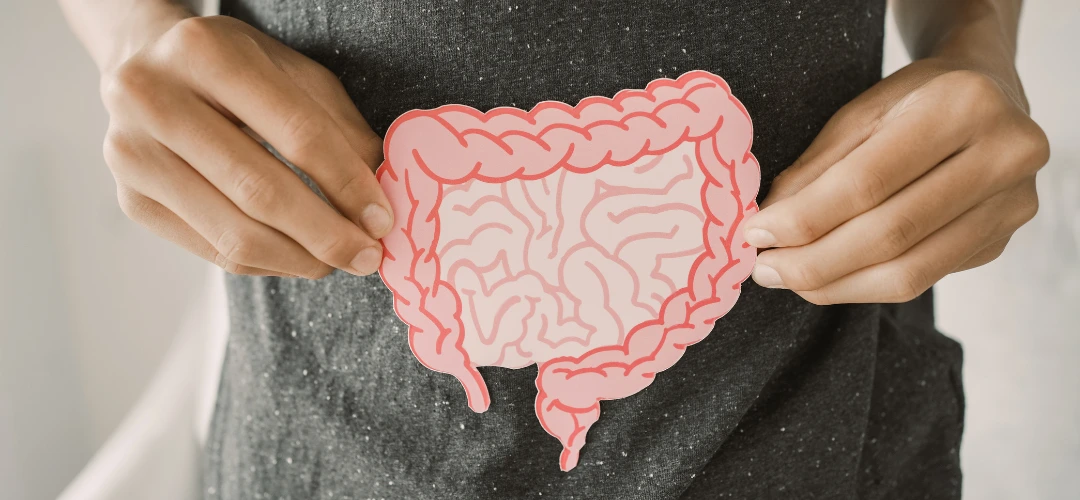
The gut is not just a passive recipient of stress signals; it talks back to the brain. Healthy microbes produce neurotransmitters such as serotonin and GABA, which calm the nervous system and stabilize mood. When cortisol disrupts these microbes, the brain receives fewer of these calming signals, making stress feel heavier and harder to shake off.
This creates a loop: stress raises cortisol, cortisol disrupts the gut, and the disrupted gut makes it harder for the brain to manage stress. The longer this continues, the harder it becomes to restore balance.

Breaking the Cycle
Supporting your gut under stress comes down to daily habits that protect the microbiome and regulate cortisol. Small, consistent choices make a difference:
- Practicing meditation, yoga, or slow breathing helps lower stress hormones.
- Eating fiber-rich plant foods and fermented foods feeds beneficial microbes.
- Getting quality sleep gives the gut time to repair.
- Moving your body regularly promotes microbial diversity.
For people with severe microbiome disruption caused by antibiotics, illness, or long-term stress, researchers are exploring more direct interventions such as fecal microbiota transplantation (FMT). By introducing a healthy, diverse microbial community, FMT may help rebalance the gut and support a healthier connection between brain and body.

Final Thoughts
Your gut is more than a digestive organ; it is a key player in how you experience stress. Cortisol may be designed to protect you, but when it lingers, it reshapes the microbiome in ways that affect mood, energy, and resilience. Protecting your gut through mindful living, nourishing food, restorative sleep, and, in some cases, advanced therapies like FMT, strengthens the gut-brain connection and helps you face life’s pressures without being consumed by them.
Welcome to our gut health blog, your go-to source for expert-backed content on digestion, probiotics, prebiotics, and microbiome therapies like FMT. Whether you’re looking to understand the science behind gut health or searching for real stories and natural tips to heal your digestive system, you’ll find it all here. Start exploring our curated articles written to help you improve your gut naturally.