Post: Beyond Fecal Transplants: The Next Generation of Microbiome Treatments
The Next Generation of Microbiome Treatments
When people first hear about stool being used as a medical treatment, the reaction is usually surprise or even disbelief. Most people immediately think offecal microbiota transplantation (FMT) or Fecal Transplants, a process where stool from a healthy donor is transferred into a patient’s gut to restore microbial balance.
FMThas already proven life-changing for individuals with recurrent Clostridioides difficile infections, a condition that often resists antibiotics and severely impacts quality of life. In fact, it’s one of the most successful examples of microbiome-based medicine to date. But what many don’t realize is that stool-based therapies are rapidly evolving beyond this initial breakthrough.
Today, scientists are uncovering safer, more refined, and often less “messy” ways to harness the healing potential of our microbes. These approaches could transform how we think about gut health and disease treatment in the years ahead.
1. Synthetic Stool: The Lab-Made Alternative
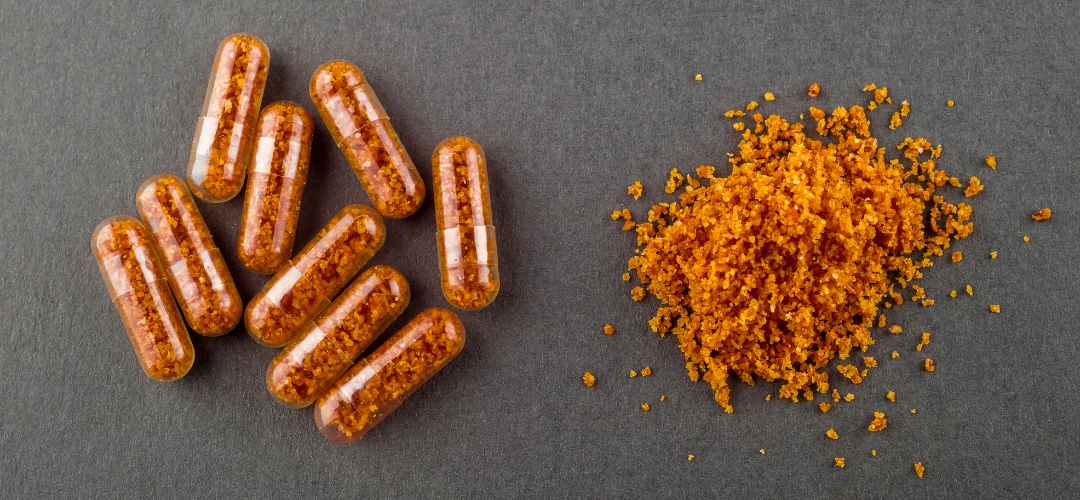
One of the main concerns with traditional FMTis safety. Even with careful screening, donor stool can carry unknown pathogens or undesirable microbes. To address this, researchers are developing synthetic stool-lab-grown formulations made from carefully selected bacterial strains.
These engineered versions replicate the key functions of a healthy microbiome without the unpredictability of donor material. The goal is to create a consistent, safe, and standardized therapy that delivers all the benefits of FMT, minus the risks.
To address this, researchers are developing synthetic stool-lab-grown formulations made from carefully selected bacterial strains.
2. Next-Generation Probiotics
We’re all familiar with probiotics in yogurt or supplements, but these products typically contain just a few general strains of bacteria. The next wave of probiotics looks very different.
Scientists are now designing engineered probiotics with highly targeted functions like reducing gut inflammation, improving metabolic health, or even enhancing immune response. Instead of offering vague “digestive support,” these new strains act more like precision medicines, tailored to address specific conditions.
Scientists are now designing engineered probiotics with highly targeted functions like reducing gut inflammation, improving metabolic health, or even enhancing immune response.
3. Microbial Consortia
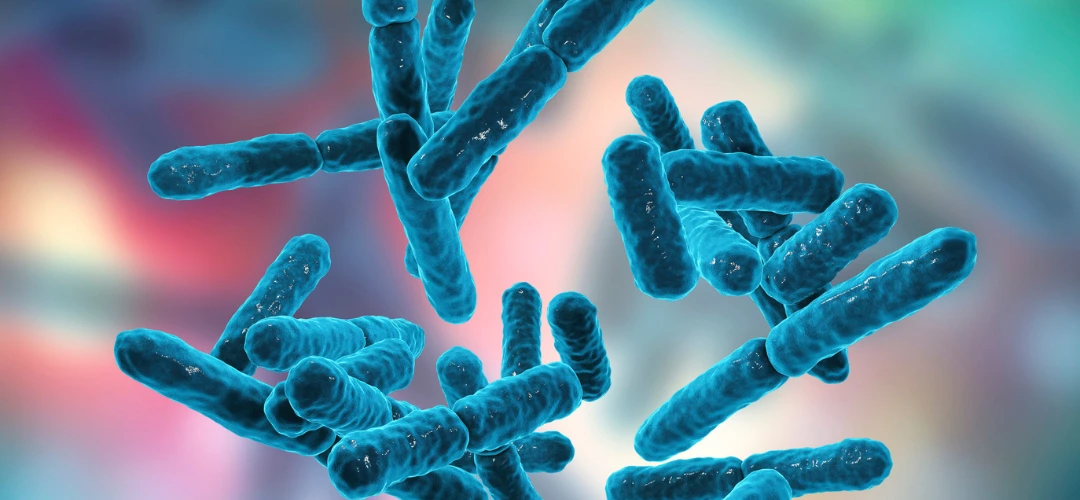
Rather than transplanting an entire microbiome, some therapies use a curated consortium of microbes, a cocktail of bacteria chosen to work together. Think of it as a fine-tuned version of FMT, delivering exactly what the gut needs to restore balance in a particular disease setting.
For example, one formula might be designed to combat inflammatory bowel disease, while another targets antibiotic-resistant infections. By narrowing down to the most beneficial strains, microbial consortia aim to improve safety and effectiveness.
Rather than transplanting an entire microbiome, some therapies use a curated consortium of microbes, a cocktail of bacteria chosen to work together.
4. Bacteriophage Therapy
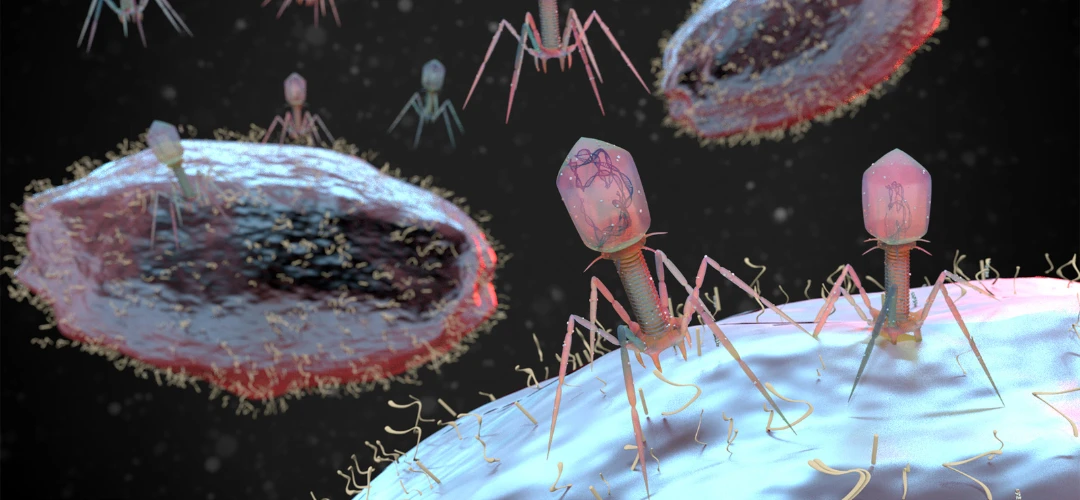
Your microbiome isn’t just bacteria, it’s also home to viruses called bacteriophages. These viruses specifically infect and kill bacteria, and researchers are exploring how to use them therapeutically.
The idea is powerful: instead of wiping out bacteria broadly with antibiotics, bacteriophages could selectively remove harmful microbes while leaving the beneficial ones untouched. This approach could revolutionize how we treat infections and microbiome imbalances.
These viruses specifically infect and kill bacteria, and researchers are exploring how to use them therapeutically.
5. Postbiotics and Metabolites
Gut bacteria produce an astonishing array of compounds (such as short-chain fatty acids) that influence everything from inflammation and metabolism to mood and brain health. Emerging therapies aim to bypass microbes altogether and deliver these postbiotics (the products of bacterial activity) directly.
By supplying the key metabolites without needing live bacteria, postbiotic treatments could offer the benefits of a balanced microbiome in a safer, more controlled way.
Looking Ahead
The concept of using stool (or what comes from it) as medicine may sound unusual, but it’s quickly becoming one of the most promising frontiers in healthcare. What began with fecal transplants is now expanding into a whole new generation of therapies that are safer, smarter, and more precise.
In the not-so-distant future, “poop as medicine” may not involve stool transplants at all. Instead, it could mean a pill, a lab-grown substitute, a custom-engineered probiotic, or a carefully designed microbial cocktail tailored to your health needs.
What once seemed strange is shaping up to be a powerful cornerstone of modern medicine, proof that the future of healing may truly begin in the gut.
Welcome to our gut health blog, your go-to source for expert-backed content on digestion, probiotics, prebiotics, and microbiome therapies like FMT. Whether you’re looking to understand the science behind gut health or searching for real stories and natural tips to heal your digestive system, you’ll find it all here. Start exploring our curated articles written to help you improve your gut naturally.