
Table of Contents
What Exactly is Fecal Microbiota Transplantation?
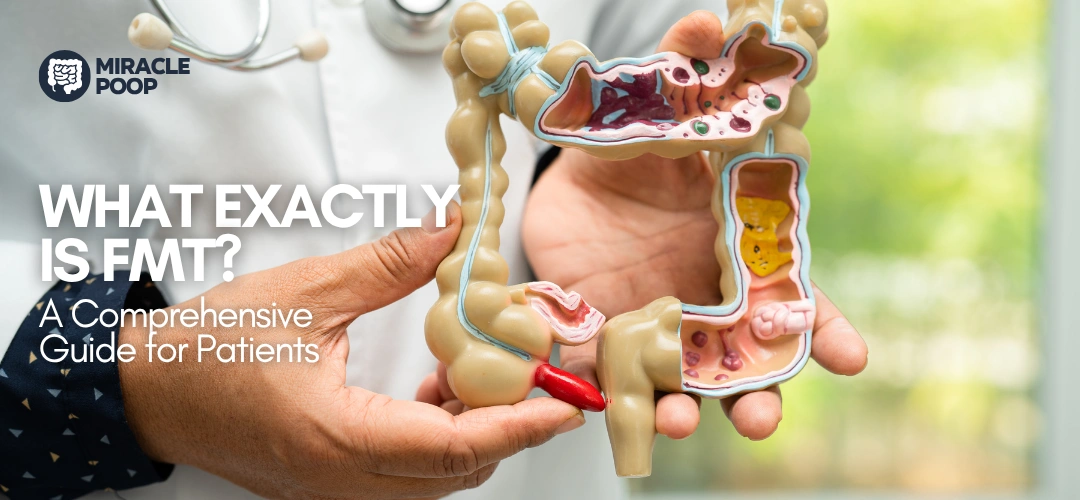
Fecal Microbiota Transplantation involves transferring processed stool from a healthy donor into the intestinal tract of a recipient. The goal is to restore a healthy, diverse gut microbiome by introducing beneficial bacteria that can help fight infection, reduce inflammation, and restore normal gut function.
While it might sound unusual, the science behind Fecal Microbiota Transplantation is compelling. Our gut microbiome—the vast ecosystem of microorganisms in our digestive tract—plays a crucial role in our overall health, affecting everything from digestion to immunity and even mental wellbeing.
When is Fecal Microbiota Transplantation Considered as a Treatment?
Currently, the FDA has approved FMT for the treatment of recurrent Clostridioides difficile (C. diff) infection that hasn’t responded to standard antibiotic therapies. This serious infection causes severe diarrhea and inflammation of the colon, and Fecal Microbiota Transplantation has shown remarkable success rates of 80-90% in clinical studies.
Research is also exploring FMT’s potential benefits for conditions like:
- Inflammatory Bowel Disease (IBD), including Crohn’s disease and ulcerative colitis
- Irritable Bowel Syndrome (IBS)
- Metabolic disorders
- Neurological conditions with gut connections
Finding a Qualified Provider
If you’re considering Fecal Microbiota Transplantation, working with qualified medical professionals is essential. The procedure should only be performed by healthcare providers experienced in gastrointestinal procedures and with proper screening protocols for donors.
At MiraclePoop, we maintain a directory of verified clinics and practitioners offering FMT services, both within clinical trials and for approved applications. Each listing includes:
- Provider credentials and experience
- Screening processes for donors
- Success rates when available
- Patient testimonials
Preparing for FMT: What to Expect
The Fecal Microbiota Transplantation process typically involves:
- Initial Consultation: Your doctor will assess your condition and determine if you’re a good candidate for FMT.
- Donor Screening: Donors undergo rigorous screening for infections, parasites, and other potential health issues.
- Preparation: You may need to take antibiotics before the procedure or undergo bowel preparation.
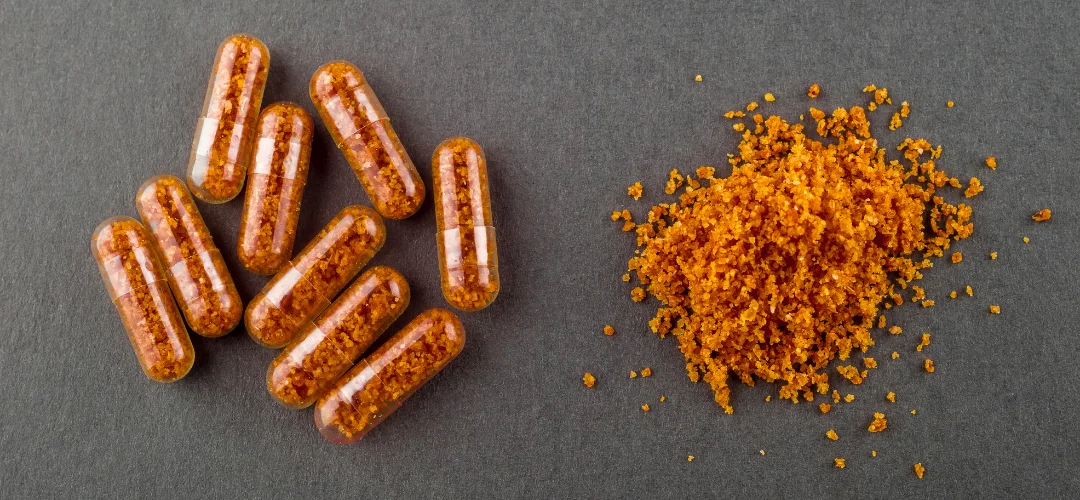
- Procedure: FMT can be administered via colonoscopy, enema, nasoduodenal tube, or capsules, depending on your specific situation.
- Follow-up: Your doctor will monitor your response and adjust your treatment plan as needed.
Beyond Fecal Microbiota Transplantation: Comprehensive Gut Health
While FMT can be transformative for certain conditions, optimal gut health involves multiple approaches. Our resources cover:
- Dietary strategies to support a healthy microbiome
- Evidence-based probiotic and prebiotic supplements
- Lifestyle factors affecting gut health
- Advanced microbiome testing options
Join Our Community
At MiraclePoop, we understand the challenges of navigating digestive health issues. Our moderated forums connect you with others sharing similar experiences and provide access to experts who can answer your questions.
Whether you’re just beginning to explore gut health options or specifically seeking information about Fecal Microbiota Transplantation, MiraclePoop provides the trusted resources you need to make informed decisions about your health.
Sign up for our newsletter to receive the latest research updates, practitioner recommendations, and community stories.
Disclaimer: MiraclePoop provides educational information only and does not offer medical advice. Always consult with qualified healthcare providers before pursuing any treatment, including FMT.
Fecal Microbiota Transplantation (FMT) – Questions & Answers
What is Fecal Microbiota Transplantation (FMT)?
FMT is a medical procedure where stool from a healthy donor is transferred into the intestines of a patient to restore microbial balance. It aims to replace harmful bacteria with beneficial ones, improving gut health and helping to treat recurrent Clostridioides difficile infections and other microbiome-related conditions.
When is FMT recommended as a treatment?
FMT is most commonly recommended for patients with recurrent or severe C. difficile infection that does not respond to standard antibiotics. Research also explores its use in conditions like inflammatory bowel disease (IBD), irritable bowel syndrome (IBS), and metabolic disorders, but its primary approved indication remains C. difficile.
How safe is FMT?
FMT is considered generally safe when performed by qualified providers following strict screening protocols. Potential risks include mild digestive symptoms such as cramping or diarrhea. Donor screening and medical supervision reduce the chance of transmitting infections or other complications.
How is FMT administered?
FMT can be delivered in different ways, including colonoscopy, enema, nasogastric tube, or orally in capsule form. The choice of method depends on patient needs, provider expertise, and clinical context. Capsule FMT is becoming a more comfortable and less invasive option.
How effective is FMT?
For recurrent C. difficile infection, FMT has shown cure rates of over 85–90%. Effectiveness for other conditions is still under study, but early research suggests potential benefits in restoring microbiome balance, reducing inflammation, and improving overall gut health.
Welcome to our gut health blog, your go-to source for expert-backed content on digestion, probiotics, prebiotics, and microbiome therapies like FMT. Whether you’re looking to understand the science behind gut health or searching for real stories and natural tips to heal your digestive system, you’ll find it all here. Start exploring our curated articles written to help you improve your gut naturally.
[…] In more severe cases, advanced interventions like Fecal Microbiota Transplantation (FMT) […]
[…] Fecal Microbiota Transplantation (FMT) might sound unsettling at first glance, but it represents one of the most innovative and promising treatments in modern gut health medicine. Behind the headlines and clinical trials lies a highly structured medical procedure with transformative potential for patients suffering from conditions like recurrent Clostridioides difficile infection, and potentially many others. […]